
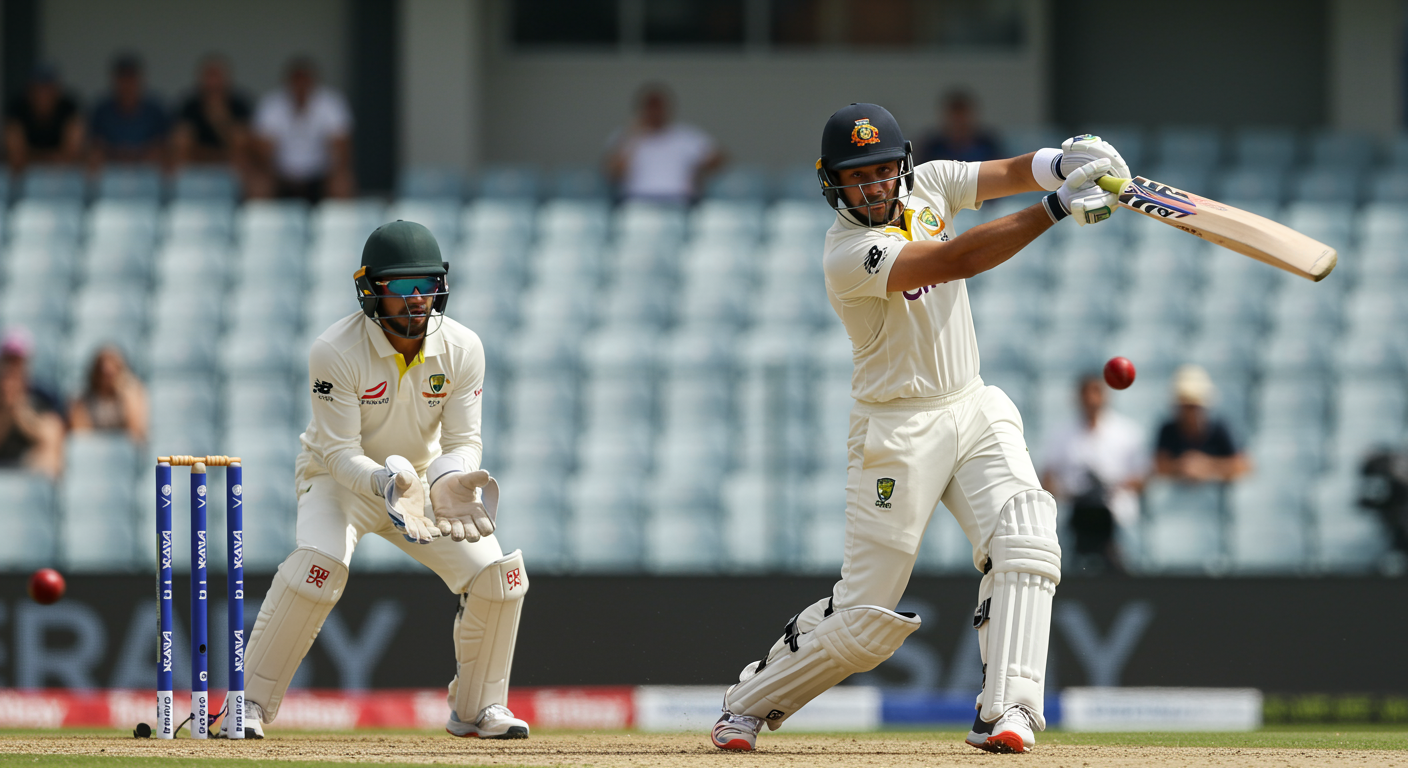
Cricket betting odds represent the probability of specific outcomes occurring during a match and determine the potential payout for successful bets. For Indian bettors, understanding these odds is crucial as they reflect both the likelihood of events and the value offered by bookmakers. Live betting odds are particularly dynamic, changing constantly as the match unfolds based on real-time developments.
Live or in-play betting allows you to place wagers while the cricket match is actively being played, with odds updating every few seconds based on current match situations. This comprehensive guide is designed to help beginners understand cricket live betting odds, even if you’re already familiar with pre-match betting, by explaining the mechanics, calculations, and strategies specific to the Indian betting market.
What Are Betting Odds in Cricket?
Betting odds in cricket are numerical expressions that indicate the probability of specific events occurring during a match and determine how much money you can win from a successful bet. They serve as the foundation of all cricket betting activities, converting probabilities into potential payouts for bettors.
Understanding different odds formats is essential for Indian bettors, as various bookmakers may present the same betting opportunity using different numerical systems. The three main formats each have their own calculation methods and are popular in different regions worldwide.
| Odds Format | Used In | How to Read | Example (INR) |
|---|---|---|---|
| Decimal | India, Europe | Total return per ₹1 bet | 2.50 (₹1000 bet = ₹2500 total) |
| Fractional | UK, Ireland | Profit per stake unit | 3/2 (₹1000 bet = ₹1500 profit) |
| Moneyline | USA | +/- indicates favorite/underdog | +150 (₹1000 bet = ₹1500 profit) |
| Malaysian | Asia | Positive/negative profit ratios | 1.50 (₹1000 bet = ₹1500 profit) |
Decimal, Fractional and Moneyline Odds Explained
Decimal odds are the most straightforward format and widely used across Indian betting platforms. To calculate your total return, simply multiply your stake by the decimal odds. For example, if you bet ₹500 on odds of 3.20, your total return would be ₹500 × 3.20 = ₹1,600, with a profit of ₹1,100.
Fractional odds represent the profit you’ll make relative to your stake. If you see odds of 5/2, this means you’ll win ₹5 for every ₹2 you bet. To convert fractional odds to decimal, divide the first number by the second and add 1. So 5/2 becomes (5÷2) + 1 = 3.50 in decimal format.
Moneyline odds use positive and negative numbers to indicate underdogs and favorites respectively. Positive numbers show how much profit you’d make on a ₹100 bet, while negative numbers indicate how much you need to bet to win ₹100. For Indian bettors, understanding these conversions helps when comparing odds across international bookmakers.
Implied Probability and Odds: What They Mean
Implied probability converts betting odds into percentage chances of an event occurring. For decimal odds, the formula is: Implied Probability = (1 ÷ decimal odds) × 100. If India has decimal odds of 2.00 to win a match, the implied probability is (1 ÷ 2.00) × 100 = 50%.
Understanding implied probability helps identify value bets, where you believe the actual probability of an outcome is higher than what the odds suggest. If you think India has a 60% chance of winning but the odds imply only 50%, this represents a value betting opportunity.
The difference between true probability and implied probability creates the bookmaker’s margin, typically ranging from 2-8% across different markets. Smart bettors compare implied probabilities across multiple bookmakers to find the best value and maximize long-term profits.
How Cricket Live Betting Odds Change
Live cricket betting odds are incredibly dynamic, fluctuating based on every ball bowled, wicket taken, and run scored. These changes reflect the constantly shifting probabilities of match outcomes as new information becomes available during play.
Several key factors drive these rapid odds movements, creating both opportunities and risks for live bettors. Understanding these factors helps you anticipate odds changes and make more informed betting decisions during matches.
The speed and magnitude of odds changes can vary significantly depending on match format, current match situation, and the specific betting market. Twenty20 matches typically see more volatile odds movements compared to Test matches due to the faster pace and higher scoring rates.
- Wickets fallen: Each wicket dramatically shifts match momentum, with odds adjusting immediately based on the departing batsman’s importance and incoming player’s abilities
- Run rate changes: Significant increases or decreases in scoring rate directly impact total runs markets and match winner odds, especially during powerplay overs
- Weather conditions: Rain interruptions, changing light conditions, or pitch deterioration can completely alter match dynamics and corresponding odds
- Team news updates: Late injury announcements, tactical changes, or player form updates influence odds even during ongoing matches
- Market liquidity: Heavy betting volume on particular outcomes can drive odds movement as bookmakers balance their exposure across different results
- Time remaining: Odds become more extreme as matches near conclusion, with fewer opportunities for momentum shifts affecting final outcomes
Why Do Odds Move Rapidly During Live Cricket?
Cricket’s unique scoring system and multiple variables create an environment where match situations can change dramatically within a single over. Unlike football where goals are rare events, cricket produces continuous action with runs, wickets, and bowling changes affecting probabilities constantly.
Modern bookmakers employ sophisticated algorithms that automatically adjust odds based on real-time data feeds from the ground. These systems process information about current run rates, required run rates, wickets remaining, and historical performance data to recalculate probabilities within seconds of each delivery.
Market volatility is particularly high during crucial match phases like death overs in limited-overs cricket or final day declarations in Test matches. During these periods, a single boundary or wicket can swing match odds by 20-30 points, creating significant opportunities for alert live bettors.
The sheer volume of betting markets available during live cricket also contributes to rapid odds movement. With dozens of different betting options available simultaneously, bookmakers must constantly balance their exposure across multiple interconnected markets, leading to cascading effects when major events occur during play.
Popular Cricket Live Betting Markets in India
Indian cricket bettors have access to numerous live betting markets that go far beyond simply predicting the match winner. These markets offer opportunities to bet on specific events within individual overs, partnerships, or phases of play.
The variety of available markets has expanded significantly with the growth of T20 cricket and increased betting interest in India. Each market type offers different risk-reward profiles and requires specific knowledge to bet successfully.
| Market Name | Description | Typical Odds Range | Indian Usage |
|---|---|---|---|
| Next Wicket Method | How the next batsman will be dismissed | 2.00 – 8.00 | Very High |
| Total Match Runs | Over/Under combined runs for both teams | 1.80 – 2.20 | High |
| Top Batsman | Highest individual scorer in match/innings | 3.00 – 15.00 | High |
| Partnership Runs | Total runs scored by current batting pair | 1.75 – 3.50 | Medium |
| Session Betting | Runs scored in specific time periods | 1.85 – 2.15 | Very High |
| Man of the Match | Player receiving best performance award | 4.00 – 20.00 | Medium |
| Next Over Runs | Total runs scored in upcoming over | 1.90 – 12.00 | High |
Examples: Interpreting Odds Across Markets
Consider a live IPL match where Mumbai Indians are chasing 180 runs with 8 overs remaining and 6 wickets in hand. The match winner odds might show Mumbai at 2.20 and their opponents at 1.75. Simultaneously, the total match runs market might offer Over 350.5 at odds of 1.95, indicating bookmakers expect a high-scoring finish.
In the next wicket method market, if Hardik Pandya is batting aggressively, “caught” might be priced at 2.80, “bowled” at 4.50, and “LBW” at 6.00, reflecting his attacking style and likelihood of mistiming aerial shots. These odds help you understand not just what might happen, but the relative probabilities bookmakers assign to each outcome.
Special Live Bets Unique to Indian Players
Session betting has become extremely popular among Indian cricket fans, particularly during Test matches and longer limited-overs games. This market divides playing time into specific periods (usually 2-hour sessions in Tests) and allows betting on runs scored, wickets taken, or leading team during each session.
Super Over betting gained massive popularity after several high-profile matches were decided by this format. When matches are tied, bookmakers quickly offer odds on super over outcomes, individual batsman performance, and even specific delivery results. These markets typically feature higher margins due to the small sample size and extreme volatility.
Powerplay-specific betting markets cater to the Indian preference for aggressive batting phases in limited-overs cricket. You can bet on runs scored during the first 6 overs, number of boundaries hit, or whether specific batsmen will survive the powerplay period, with odds updating after each delivery based on current scoring patterns.
How Bookmakers Calculate Live Cricket Odds
Understanding the mechanics behind odds calculation helps you make more informed betting decisions and identify potential value opportunities during live cricket matches. Bookmakers use sophisticated systems that combine statistical models with real-time data processing.
The process involves multiple steps and constantly evolving algorithms that must account for thousands of variables simultaneously. Modern bookmaking combines traditional statistical analysis with machine learning and artificial intelligence to create accurate, profitable odds structures.
- Pre-match modeling: Statistical algorithms analyze team form, player statistics, pitch conditions, weather forecasts, and historical head-to-head records to establish baseline probabilities
- Real-time data integration: Live feeds provide ball-by-ball updates including runs scored, wickets taken, bowling changes, field placements, and current run rates
- Probability recalculation: Advanced models instantly recalculate win probabilities based on current match state, considering factors like required run rate, wickets remaining, and player capabilities
- Market balancing: Betting volume and liability exposure are factored in to adjust odds, ensuring bookmaker profitability regardless of match outcome
- Margin application: The bookmaker’s profit margin (typically 4-8%) is built into final odds before they’re displayed to customers
- Risk management: Final odds may be adjusted based on maximum liability limits, suspicious betting patterns, or operational risk factors
Bookmaker Margin (Overround) Explained
The bookmaker margin, also known as overround or juice, represents the built-in profit advantage that ensures bookmakers remain profitable regardless of match outcomes. In cricket live betting, margins typically range from 4% on popular markets like match winner to 15% on exotic proposition bets.
To calculate the margin, add up the implied probabilities of all possible outcomes in a market. If Mumbai Indians have odds of 1.90 (52.6% implied probability) and Chennai Super Kings have odds of 1.95 (51.3% implied probability), the total is 103.9%. The 3.9% excess represents the bookmaker’s margin, meaning they expect to profit ₹39 for every ₹1,000 wagered on this market over the long term.
Comparing Live Betting Odds Across Indian Bookmakers
Different bookmakers often offer varying odds for the same cricket events, making comparison shopping essential for maximizing your potential returns. The differences arise from different risk management strategies, customer bases, and technological capabilities among operators serving the Indian market.
| Bookmaker | Odds Format Options | Live Betting Speed | Popular Markets | Odds Competitiveness |
|---|---|---|---|---|
| Bet365 | Decimal, Fractional, American | Very Fast (2-3 seconds) | 100+ per match | High |
| Betway | Decimal, Fractional | Fast (3-5 seconds) | 80+ per match | High |
| 10Cric | Decimal, Indian | Fast (4-6 seconds) | 60+ per match | Medium-High |
| LeoVegas | Decimal, Fractional | Medium (5-8 seconds) | 70+ per match | Medium |
| Casumo | Decimal Only | Medium (6-10 seconds) | 50+ per match | Medium |
When to Switch: Spotting Value Odds in India
Value betting opportunities arise when you identify odds that underestimate the true probability of an outcome occurring. For Indian cricket bettors, this often happens during high-profile IPL matches where public sentiment heavily influences betting patterns, causing bookmakers to adjust odds based on betting volume rather than pure statistical analysis.
The key is developing your own probability assessments and comparing them against bookmaker odds. If you believe Virat Kohli has a 25% chance of being the match’s top scorer but find odds of 5.50 (18.2% implied probability), this represents potential value. Successful value betting requires discipline, research, and the ability to identify when market sentiment differs from actual probabilities.
Line shopping between bookmakers becomes particularly valuable during live betting when odds change rapidly. A difference of even 0.10 in decimal odds can significantly impact long-term profitability. Smart bettors maintain accounts with multiple bookmakers and use odds comparison tools to ensure they’re always getting the best available price for their selections.
The Role of Mobile Apps in Live Odds Access
Mobile betting apps have revolutionized live cricket betting in India by providing instant access to odds updates and bet placement capabilities. The best apps update odds within 2-3 seconds of on-field events, crucial for capitalizing on fleeting value opportunities during fast-paced T20 matches.
App-specific features like push notifications for odds movements, one-tap betting, and integrated live streaming make mobile platforms superior to desktop betting for live cricket markets. Many Indian bettors now exclusively use mobile apps for live betting, appreciating the convenience of betting while watching matches on television or attending games in person.
Illustrative Scenarios: Calculating Returns & Risks
Understanding potential returns and risks through practical examples helps you make more informed live betting decisions. The following scenarios demonstrate real-world calculations using typical odds and stake amounts common among Indian cricket bettors.
Each scenario includes different risk profiles and potential outcomes, illustrating how odds translate into actual rupee amounts for both winning and losing bets. These examples use decimal odds format prevalent in Indian markets.
| Scenario | Odds | Stake (₹) | Potential Return | Potential Risk |
|---|---|---|---|---|
| Next wicket: Caught | 2.80 | ₹1,000 | ₹2,800 (₹1,800 profit) | ₹1,000 loss |
| Session runs Over 45.5 | 1.95 | ₹2,000 | ₹3,900 (₹1,900 profit) | ₹2,000 loss |
| Kohli next man out | 4.20 | ₹500 | ₹2,100 (₹1,600 profit) | ₹500 loss |
| Team total Over 165.5 | 2.10 | ₹1,500 | ₹3,150 (₹1,650 profit) | ₹1,500 loss |
| Next over 6+ runs | 3.40 | ₹800 | ₹2,720 (₹1,920 profit) | ₹800 loss |
Case Study: Managing Live Bets During a Run Chase
Consider an IPL match where Delhi Capitals need 72 runs from 48 balls with 7 wickets remaining. You initially backed Delhi at odds of 2.40 with a ₹2,000 stake when they needed 120 runs from 72 balls. As the required run rate decreases and wickets remain intact, Delhi’s odds shorten to 1.75, presenting a profit-taking opportunity.
Using the cash-out feature, you could secure ₹800 profit immediately rather than risk the full ₹2,000 stake on the final outcome. Alternatively, you might hedge by backing the opposition at current odds, guaranteeing profit regardless of the final result. If the opposition is now priced at 2.20, a ₹1,090 bet would guarantee approximately ₹500 profit whichever team wins.
Advanced bettors might identify additional value bets as the match progresses. If Delhi’s odds seem too short given the remaining challenges, backing specific events like “next wicket in next 3 overs” at attractive odds could provide additional profit opportunities while maintaining the original position.
Tips & Strategies for Cricket Live Odds Betting
Successful live cricket betting requires a combination of technical knowledge, disciplined bankroll management, and the ability to make quick decisions under pressure. The dynamic nature of live odds creates both opportunities and pitfalls that require specific strategies to navigate effectively.
Developing a systematic approach to live betting helps you avoid emotional decisions and capitalize on genuine value opportunities. The following strategies are specifically tailored for the Indian cricket betting market and account for the unique characteristics of different format matches.
- Monitor team news constantly: Player injuries, tactical changes, or weather updates can create immediate value opportunities before odds adjust, especially during IPL matches where squad changes are frequent
- Focus on familiar leagues and teams: Deep knowledge of IPL team strategies, player tendencies, and ground conditions gives you advantages over casual bettors and helps identify mispriced odds
- Time your bets strategically: Odds often overreact to dramatic events like wicket clusters or big overs, creating value opportunities when betting against extreme market movements
- Use multiple bookmaker accounts: Line shopping becomes crucial in live betting where odds differences between bookmakers can exceed 10-15% on the same market
- Set strict loss limits: Live betting’s fast pace can lead to chasing losses, so establish maximum loss amounts per session and stick to them regardless of match developments
- Exploit market inefficiencies: Session betting and partnership markets often show slower odds adjustment compared to match winners, creating temporary value windows for alert bettors
Common Live Betting Pitfalls to Avoid
- Chasing losses during exciting passages: The adrenaline rush of close matches can lead to increasingly large bets to recover previous losses, often resulting in significant bankroll damage
- Ignoring match format differences: Strategies that work for T20 cricket don’t translate directly to Test matches due to different pacing and risk factors
- Betting on every over or delivery: Overactivity dilutes focus and increases exposure to bookmaker margins across multiple markets simultaneously
- Failing to account for pitch conditions: Surface characteristics become more pronounced as matches progress, affecting run-scoring patterns and dismissal types
- Emotional betting on favorite players: Personal preferences for players like Dhoni or Kohli can cloud objective analysis of actual match probabilities
Responsible Gambling in Live Betting
Live betting’s intensity and rapid decision-making requirements make responsible gambling practices even more critical than in traditional pre-match betting. Set clear time and money limits before starting any live betting session, and use bookmaker tools like deposit limits and reality checks to maintain control.
The excitement of live cricket can make it easy to lose track of spending, so consider using separate accounts or prepaid cards specifically for betting to maintain strict budget control. Never attempt to recover losses through larger bets, and take regular breaks during long matches to assess your decision-making objectively.
Glossary of Cricket Betting Odds Terms
Understanding key terminology is essential for navigating cricket live betting markets effectively. These terms are commonly used across Indian betting platforms and in odds-related discussions.
- Margin/Overround: The bookmaker’s built-in profit percentage, typically 4-8% on main markets, calculated by adding all implied probabilities in a market
- Liquidity: The volume of money available to be matched at specific odds levels, affecting how quickly and at what prices bets can be placed
- Value bet: A wager where you believe the true probability of an outcome exceeds the implied probability suggested by the odds
- Cash out: Feature allowing you to settle bets before match completion at current market prices, often at reduced profit or loss compared to original potential
- Hedge betting: Placing additional bets to guarantee profit or minimize loss regardless of final outcome, often used when initial bet shows profit
- Line movement: Changes in odds over time, indicating market sentiment shifts or new information affecting outcome probabilities
- Steam move: Rapid odds movement across multiple bookmakers simultaneously, usually indicating significant new information or large betting volume
- Dead heat: Situation where two or more selections tie for a position, resulting in reduced payouts calculated by dividing stakes by the number of tied selections
- Asian handicap: Betting system that eliminates draw possibilities by giving virtual head starts to teams, popular in cricket total runs markets
- Arbitrage: Theoretical profit opportunity by betting on all outcomes of an event across different bookmakers at odds that guarantee profit regardless of result
Key Indian Regulatory & Legal Notes
Cricket betting legality varies across Indian states, with some regions permitting skill-based betting while others maintain stricter regulations. Players should understand their local laws and only engage with licensed, regulated operators that implement responsible gambling measures and fair betting practices.